





Input specification vs output specification
Traditional specifications are ‘input specifications’. They are prescriptive, that is, they describe in detail the products, materials and work (the inputs) required by a contract. Typically, the development of the solution required by the contract is complete and no (or little) further development is required by the supplier. The specification is considered to be a ‘closed specification’.
Prescriptive input specifications give the client certainty about the end product when making investment decisions, but place a greater burden on them to ensure the product has been thoroughly considered, developed and described. They tend to be used where a very specific end result required.
Output specifications define only the outcomes (or outputs) that are required by the contract, that is, what it will enable the client to do. They are open specifications that do not attempt to address how those outputs might be achieved. For example, an output specification might require the provision of a space for teaching 30 primary pupils, but it would not specify the nature of the space, the types of doors and windows etc. The standard for what is required might be defined, for example, by reference to performance targets.
It is argued that output specifications can get the best value from the supply team by allowing them to adopt innovative solutions to the client's requirements and reduce whole-life costs rather than simply developing the client's pre-conceived solutions at the lowest price.
For more information see: Output-based specification.
[edit] Related articles on Designing Buildings Wiki
- Briefing documents.
- Feasibility studies.
- Final specifications.
- Insulation specification.
- Outline specification.
- Output specification
- Output-based specification.
- Performance specification.
- Prescriptive specification.
- Procurement.
- Service level specification.
- Specification.
- Tender documentation.
- Tender process.
Featured articles
Check out some of the best features and news from Designing Buildings as well as key stories from around the web.

Building Safety Newsletter from MHCLG.
An extraordinary record of steel engineering worldwide.

Households living near new pylons to save on bills.

ECA warns growth must not outpace grid capacity or skills.
The role of the client and decision making

CIOB response to built environment professions call for evidence.
Construction's sustainability reporting revolution

Tracking upfront embodied carbon with digital tools.
ECA welcomes procurement reforms

Public spending must back British jobs and skills.
Campaigning for Edinburgh: the Cockburn Association 1875-2049

The role of the civic voice in protecting character. Book review.

CIOB photography competition is open for entries.
ECA Edmundson apprentice of the year award

Finalists announced.
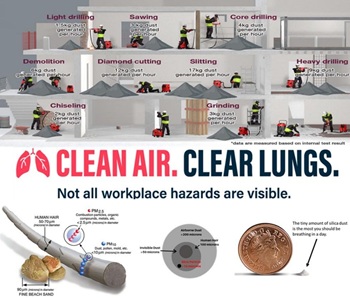
Major new study exposes serious knowledge gaps.

Generating energy from internal light as well as sunshine.